Two very different JSPCA success stories started with the right patch of ground. By Kieranne Grimshaw
The dog who had to learn to love the car
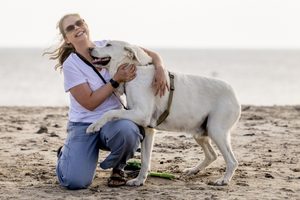
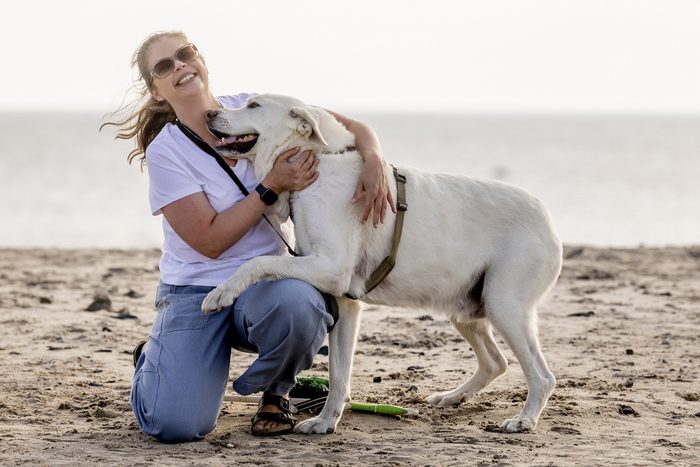
When Elaine bought her house in St John, she wanted a rescue dog to fill it — and to drag her out from behind a desk after too many long working hours.
She had grown up in Canada, where her family always had rescue dogs.
Pablo, a 55kg Spanish Mastiff Labrador cross, had been at the JSPCA for six months with a history that ruled him out of homes with children or other pets. Most people would have kept scrolling. Elaine didn’t – ‘I saw his photo on the website and instantly fell in love with him.’
The challenge was on. Pablo even needed sedating just to travel in the van to his new home. He wouldn’t go near a car, wouldn’t go near the road, and for a while, wouldn’t really go anywhere at all. Elaine’s own car became a makeshift second home or mini drive-in, that first winter. She ate dinner in the driver’s seat, roast chicken in hand, coaxing him closer night after night until two paws finally landed on the back seat.
The real turning point came at Christmas, when her parents suggested simply carrying him in. St Ouen’s Beach did the rest. ‘He jumped out of the car’ Elaine said, ‘and it was like a light switch — doing zoomies in the sand, running around, as he used to go to the beach before being at the shelter.’ He just slept the following day, then asked to go back.
These days Pablo’s routine is built around open ground: the cliff paths, Grosnez, and regular trips to watch the sheep at Sorel – on a lead of course – fitting, Elaine notes, for a breed originally bred to guard flocks in Spain. He’s still choosy about company, but he’s settled, and he’s home.
There were times when Elaine did think “What have I done?”, but with patience and perseverance, she managed to build up Pablo’s trust and enable him to become comfortable with people and feel safe.
‘He’s made my life a million times better. I have a routine, and get out in all weathers to walk him and he gives that unconditional love — I wouldn’t be without him.’
The nursery at the bottom of the garden
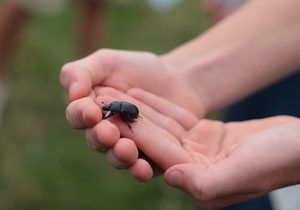
Not every JSPCA rescue needs a house — some just need their garden left alone. Senior animal carer, Nina Powell, has spent this year hand-rearing orphaned baby rabbits, three of which arrived at just six days old after their nest was accidentally dug up and destroyed. Eyes still closed, entirely dependent on milk and warmth, their odds weren’t good until a member of the public stepped in. This enabled the rabbits to start having the vital specialist care they needed.
Nina then spent a few weeks carefully hand-feeding the baby rabbits milk replacer and monitoring their development. ‘Now, these three little rabbits are growing quickly. They’re almost fully weaned from milk and beginning to eat independently, which is an exciting milestone in their rehabilitation.
‘There’s something incredibly rewarding about watching these animals grow stronger and more independent each day.’ Nina said.
After about a month in care, rabbits can normally be released back into the wild. They all receive a Myxomatosis vaccination, giving them a chance of a healthy future and becoming happy bunnies.
Cottontail rabbits are a joy to see in the countryside, soft white tails bobbing behind them as they dart through the undergrowth. They also form underground burrows that strengthen our soil health, so are valuable members of our ecosystem.
Nina reflected: ‘Protecting wildlife is about much more than helping individual animals. By caring for Jersey’s wildlife and protecting the habitats they depend on, we’re also helping to protect the health and balance of our environment for future generations.’
It’s a reminder of how much garden habitat matters to Jersey’s wildlife, and how little it takes to protect it:
Bell your cat — it gives birds and small mammals fair warning.
Lead your dog in sensitive wildlife spots.
Check before you dig — nests are easy to miss and easy to save.
JSPCA · www.jspca.org.je · 724331